The Magic of Storytelling: When Children Carry Stories With Them
Just before Christmas, I was working with a Year 2 class, sharing the story of Stick Man.
As I reached the final page, I paused at the moment where the story was about to end.
Without hesitation, one child continued the story from where I had stopped.
She did not have the book in front of her.
The class had not been studying the story.
She simply knew what came next.
I looked at the teacher, and the teacher looked at me.
In that quiet exchange, we both recognised the same thing.
This was not about remembering words.
It was about a story that had stayed with a child.
This is the magic of storytelling.
Stories Live Beyond the Book
Stories are often thought of as something contained within a book, with a clear beginning, middle, and end.
However, children do not always experience stories in such neat ways.
They carry stories with them.
They return to them.
They make sense of them over time.
When a child can step into a story and continue it in their own words, it tells us something important. Not only about memory, but about confidence, language, and ownership.
The story no longer belongs only to the page.
It belongs to the child.
Paying Attention to Quiet Moments
This moment was not dramatic or planned.
There was no performance and no expectation.
It was quiet and unexpected.
In busy school days, moments like this can be easy to miss. They do not always fit neatly into a lesson plan or an assessment framework.
Yet they matter deeply.
They show us that something has settled.
They show us that a story has found a place to stay.
Storytelling as Children Grow
Much of my work takes place with Foundation Stage 2 children, where storytelling is a familiar and regular part of classroom life.
Working with Year 1 and Year 2 was a powerful reminder that storytelling does not stop being important as children grow older.
The way children engage with stories changes, but the need for shared storytelling does not disappear.
Instead, it evolves.
Shared stories continue to support:
- confidence with language
- listening and attention
- memory and sequencing
- a sense that stories belong to children
There Is No Right Way to Engage With Stories
Children do not all respond to stories in the same way.
Some listen quietly.
Some join in immediately.
Some return to stories later through play or conversation.
All of these responses matter.
Storytelling works best when children are allowed to meet stories in their own way and at their own pace, without being rushed towards an outcome.
Making Space for Stories
School days are busy, and it can feel tempting to move quickly from one activity to the next.
Stories need space.
Space to be heard.
Space to be remembered.
Space to return in unexpected ways.
When stories are given time, children often surprise us.
They show us just how much they have taken in.
Looking Ahead: Why This Matters Now
As we look ahead to the National Year of Reading 2026, there is increasing focus on helping children and families experience reading as something meaningful, enjoyable, and part of everyday life.
This is not only about reading levels or targets.
It is about confidence, access, shared experiences, and positive relationships with stories.
Moments like that unexpected retelling in a Year 2 classroom remind us that this work begins now.
It begins in classrooms, libraries, and shared story spaces, when children are given time, permission, and opportunities to engage with stories in ways that feel natural to them.
By valuing storytelling, talk, and imagination alongside books, we help children build the foundations that later reading depends on.
This long-term thinking sits at the heart of my work with puppetry and storytelling: creating experiences that stay with children long after the story has been told.
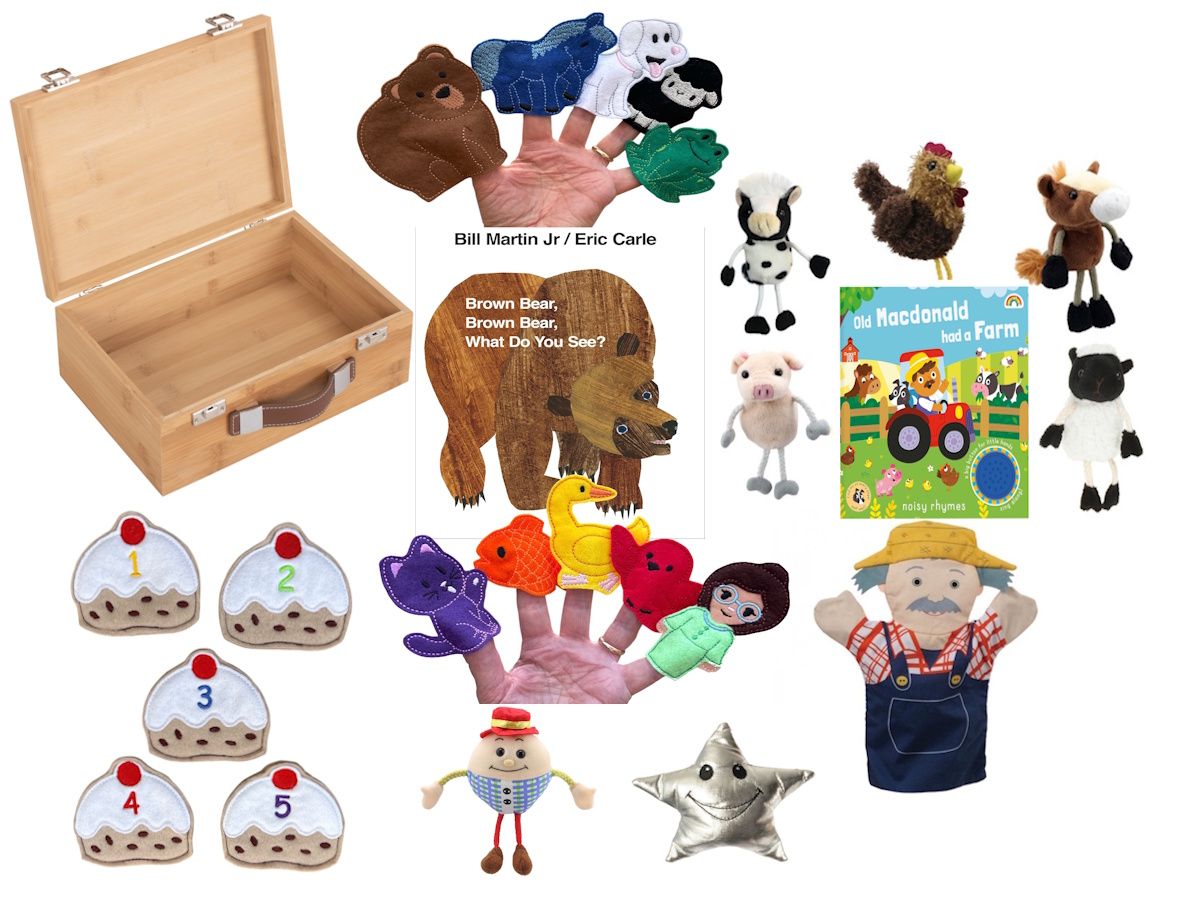
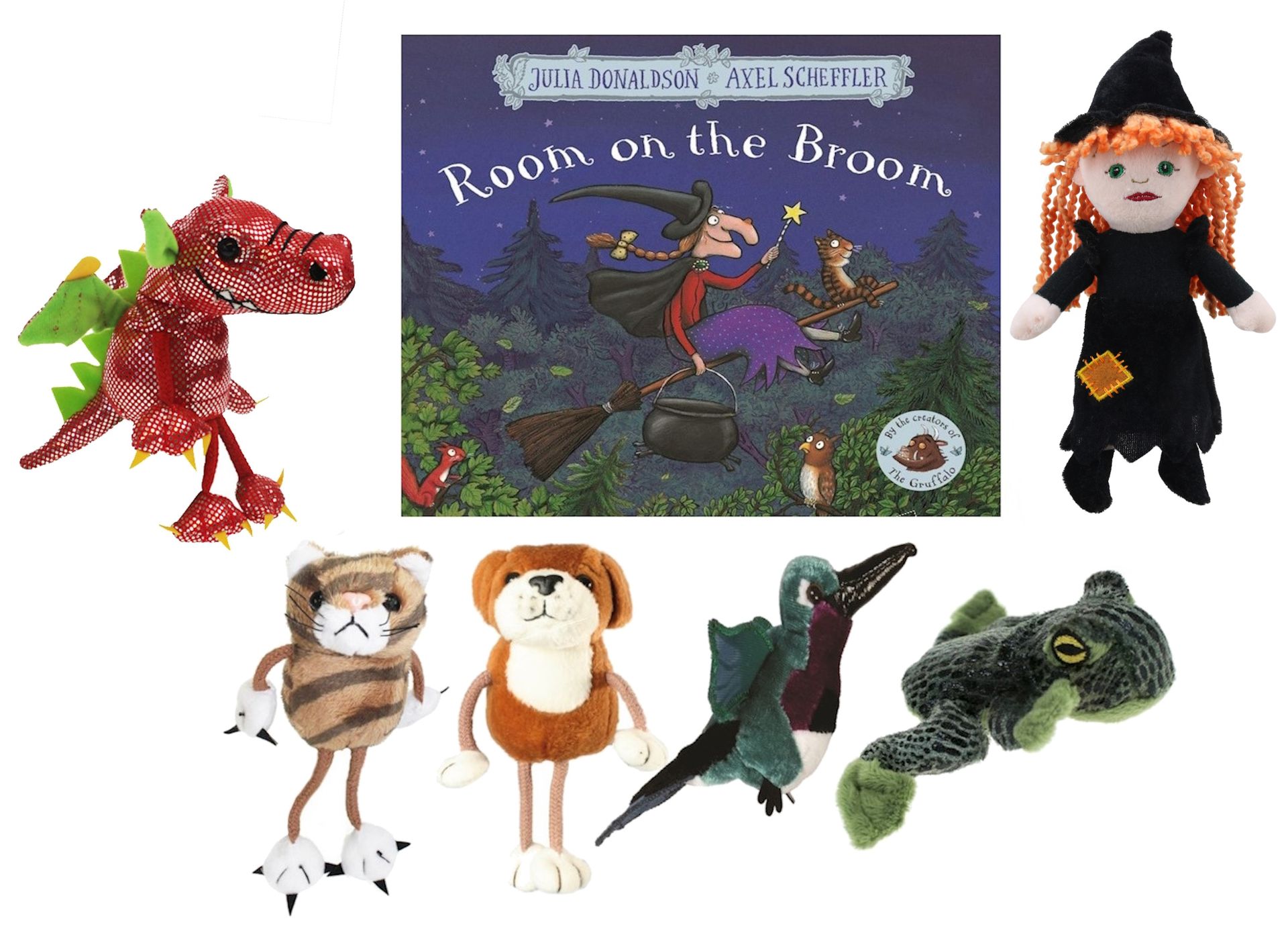
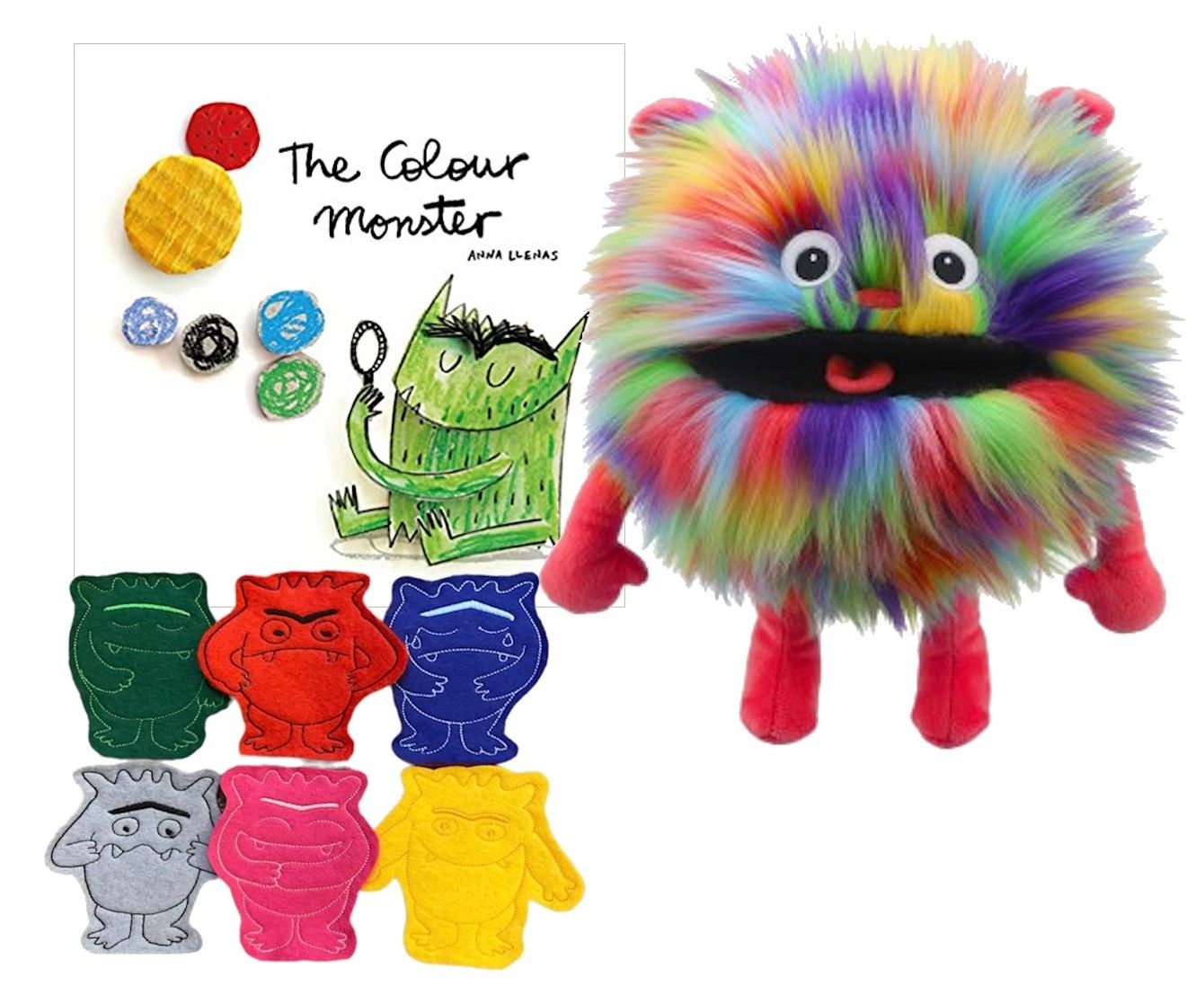
Explore Storytime Sets and storytelling resources at Puppets, Plays and Story Days.